
HOMEMADE VS STORE-BOUGHT ENERGY GELS
Energy gels are one of the easiest ways for runners to get carbs in during long runs and races. And they do work. For efforts over about 60 to 90 minutes, runners are often advised to take in carbohydrates during exercise, especially during longer sessions where steady fueling becomes more important.
But if you have ever trained for a marathon or ultra, you probably know the other side of the story too. Store-bought gels are convenient, but they get expensive fast. And once you start looking at the ingredient lists, you realize there is a big difference between a gel that is simple and functional, and one that feels more like a processed formula squeezed into a packet.
I already wrote a full DIY energy gel guide where I break down how I make my own gels for a fraction of the price. This article is more about the bigger question: when is homemade actually better, and when does store-bought still make more sense?
By Quentin van Bentum • March 2026
Why store-bought gels are popular for a reason
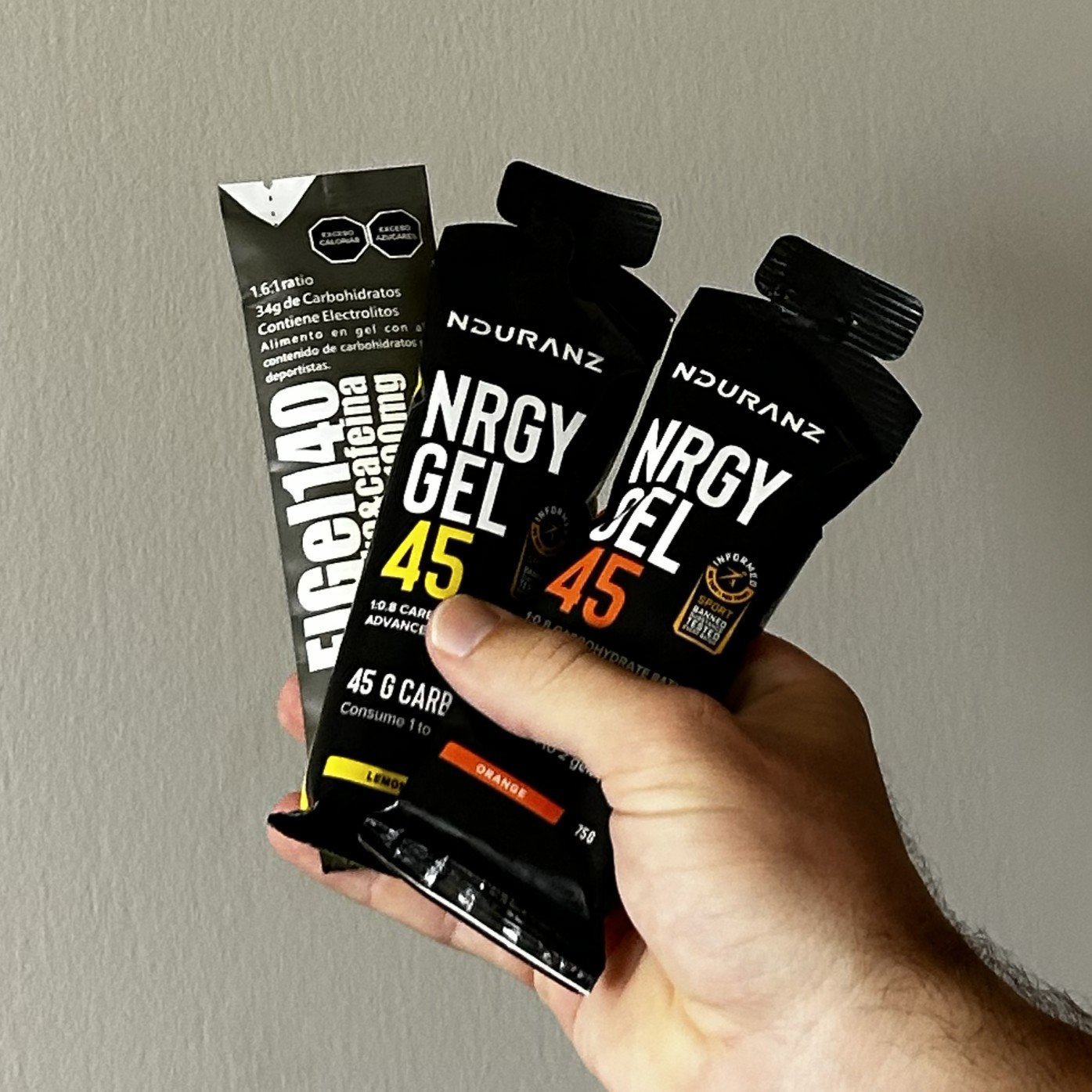
Let's be fair here. Commercial running gels did not become standard because runners love spending money. They became standard because they solve real problems.
Most store-bought gels are designed around fast-digesting carbohydrates and are built to be portable, easy to consume, and consistent from one serving to the next.
That gives them some clear advantages:
1. They are convenient
This is the biggest one. You tear it open, squeeze, done. No prep, no mixing, no storage decisions, no wondering whether the consistency is right on race morning.
2. They are consistent
Commercial gels usually tell you exactly how many carbs, how much sodium, and how much caffeine you are getting per serving. That matters when you are trying to fuel at a certain number of grams per hour and do not want surprises halfway through a long run.
3. They are built for portability
A homemade gel in a flask works well, but store-bought gels are even easier to throw into a pocket, belt, or vest. This is especially convenient for longer races where you have to carry a lot of gels.
4. Some are actually very simple
Not every commercial gel has a huge ingredient list. Some are fairly stripped back and do exactly what they are supposed to do, which is provide carbs in an easy format.
So no, store-bought gels are not bad by default. A lot of them are smart and practical.
Where store-bought gels start to lose me
Now the downside.
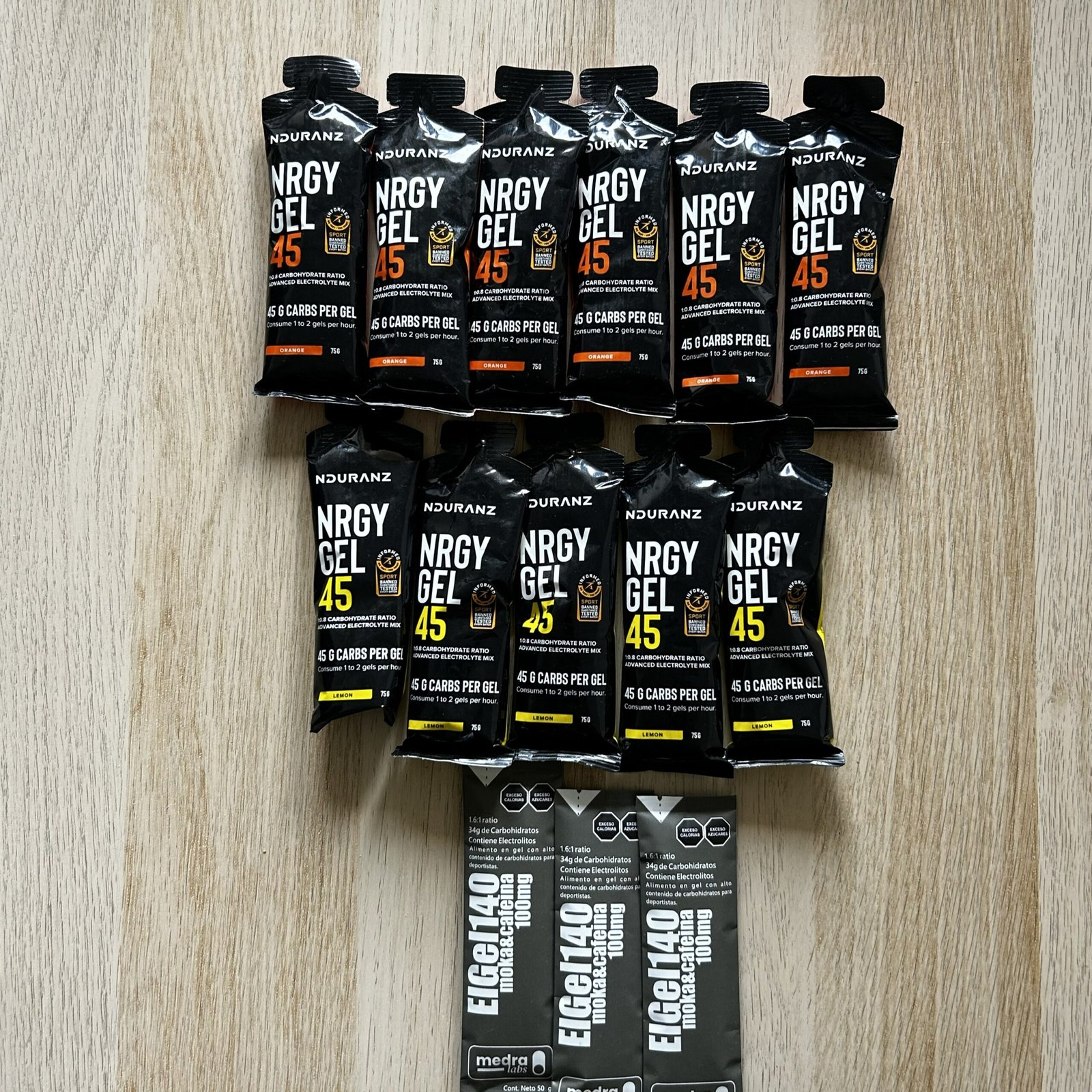
1. They are expensive
This is the biggest one for most runners. A few gels here and there is not a huge deal, but once you are training for a marathon and using them weekly, it adds up fast.
That was one of the main reasons I started making my own. In my DIY version, the cost per serving is much lower, especially when buying ingredients like maltodextrin powder in bulk.
2. Some have long ingredient lists
Not all of them, but many commercial gels contain flavorings, stabilizers, acidity regulators, preservatives, or other additives that are there to improve shelf life, texture, or taste.
That does not automatically make them unhealthy, but it does mean you are often paying for more than just the actual carbs your body needs during a run.
3. Sweetness fatigue is real
When you are deep into a long run, some gels start tasting far too sweet. A lot of runners can handle one or two, then suddenly every extra packet feels like work.
4. Less control
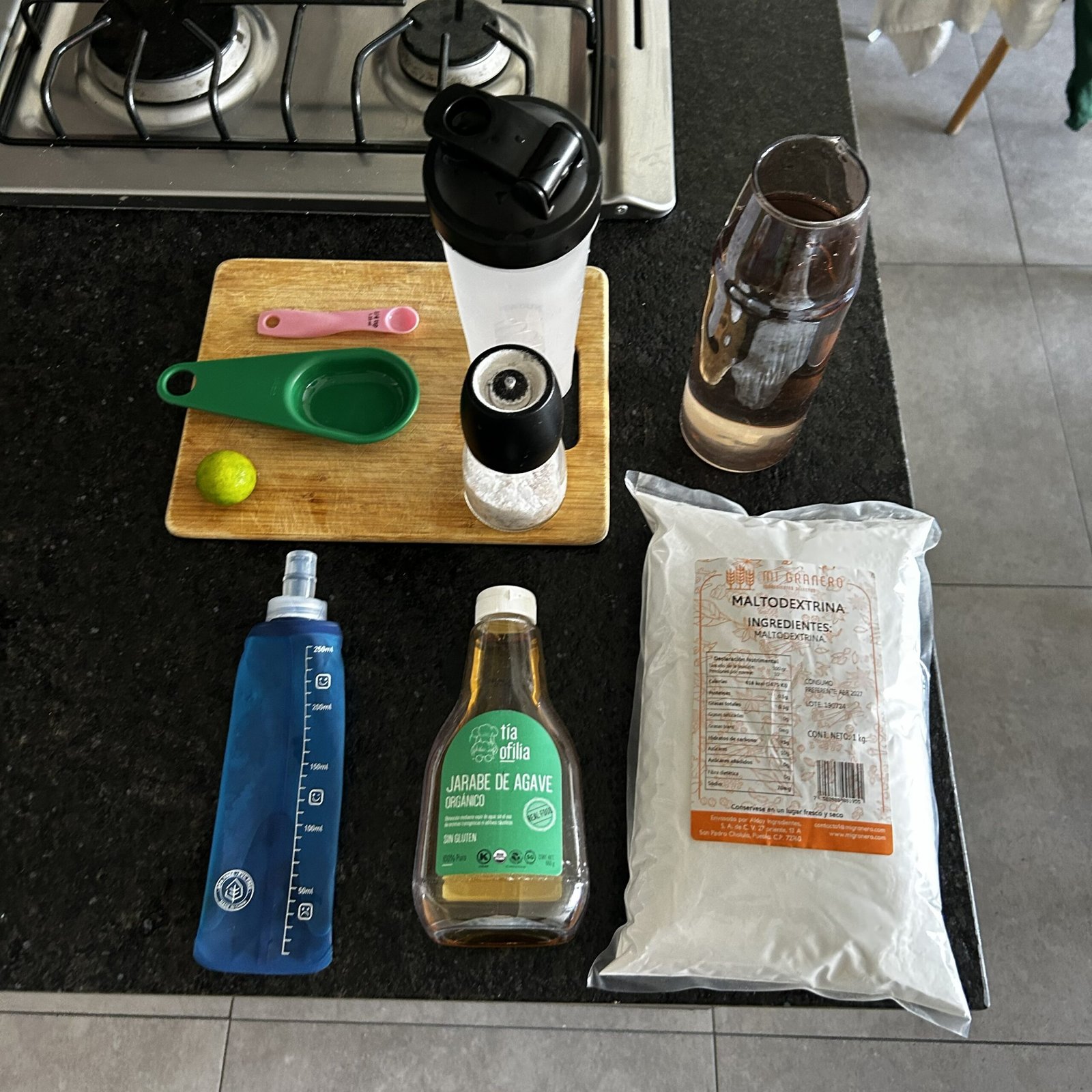
If you make your own gels, you control the texture, carb sources, sodium, and caffeine. If you want to add electrolytes yourself, a simple electrolyte salt or sodium mix can make that really easy.
5. More packaging waste
This is not the biggest issue performance-wise, but it is still worth mentioning. Individual packets are convenient, but they also mean more single-use waste over time.
Where homemade running gels win
Homemade gels make a lot of sense if you train regularly, do long runs often, and do not mind spending a little time preparing fuel in advance.
1. Cost
This is the biggest advantage by far. If you are doing long runs every week, making your own gels can save a lot of money over a training block.
2. Ingredient control
You decide what goes in. You can keep it very simple with a carb source, water, and sodium, or adjust the mix based on what works best for your stomach.
For example, some runners like using agave syrup or honey as part of the carb mix, while others prefer a more measured setup using maltodextrin.
3. Easy customization
Want it thinner? Add more water. Want more sodium for a hot long run? Adjust it. Want caffeine only in one serving? Easy.
If you like experimenting with caffeine intake, this can also be done more precisely with a measured caffeine source, though you need to be careful and accurate with dosage.
4. Great for training
Homemade gels are especially useful in training because that is where you are practicing fueling, not just buying convenience. If you can train your gut with a homemade formula that works well, that can be a big advantage.
But homemade is not automatically better either
This is where people can get a little too idealistic about DIY.
Homemade gels also have downsides.
1. Less convenient
You have to make them, fill the flasks, clean the flasks, and remember to bring them.
2. Harder to standardize
Unless you measure carefully every time, the carb content can vary. That matters if you are trying to hit a very specific fueling target during long sessions.
3. Shorter shelf life
A homemade mix is something you want to use fairly soon, not leave sitting around forever.
4. Race day confidence matters
For some runners, the best race-day fuel is simply the one they trust most. If that is a commercial gel they have used many times before, that is a valid reason to stick with it.
So which is better?
Honestly, both have their place.
Store-bought gels are best when you want maximum convenience, consistency, and portability. They make a lot of sense for race day, travel, and runners who do not want to deal with mixing their own fuel.
Homemade gels are best when you train a lot, want to save money, and like having more control over what you are putting in your body.
For me, the sweet spot is simple:
- Homemade for most long training runs
- Store-bought for specific race situations or convenience
That way you lower your fueling costs without losing the option of using commercial products when they actually make sense.
Read next
If you want the actual recipe and ingredient breakdown, you can read my full guide here:
This article contains affiliate links. If you purchase through these links, I may earn a small commission at no extra cost to you. This helps support the site and does not affect my recommendations.