
HOW LONG DOES IT TAKE TO TRAIN FOR YOUR FIRST HALF MARATHON?
Short answer: The most first-timers need 14 to 20 weeks. The exact number depends on where you are right now: how often you run, what your longest run is, and how your body handles building up. Choosing a training plan based only on your race date, instead of your current fitness level, is one of the fastest ways to get injured or burn out.
By Quentin van Bentum • February 2026
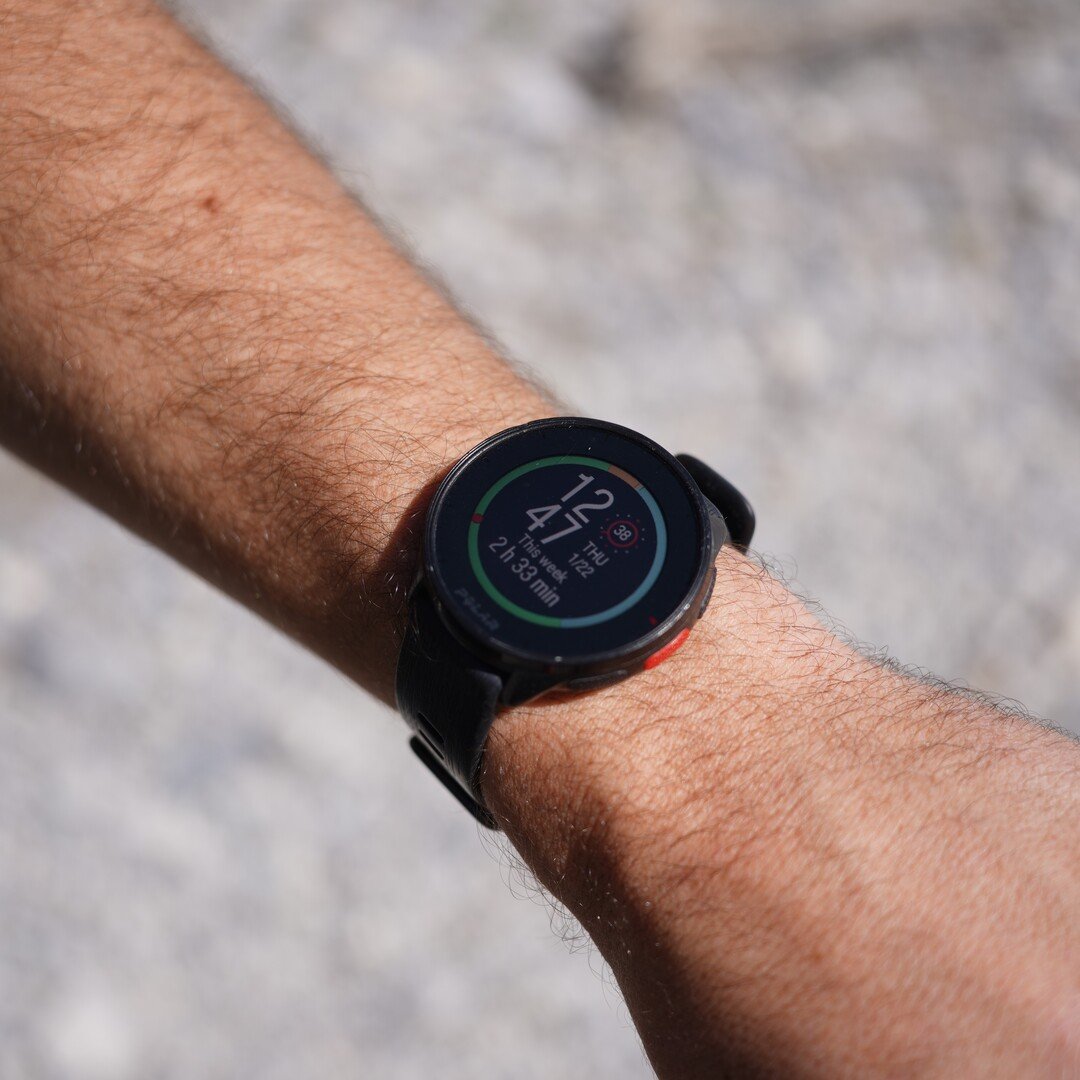
Use Your Longest Run as a Guide
The best way to guess how long you need is to look at what you can do today. Your longest comfortable run tells you a lot.
| Your longest run right now | Rough training length for your first half |
|---|---|
| Not running yet, or under 3 km | 18 to 20 weeks (build a base first) |
| Comfortable doing 5 km | 16 to 18 weeks |
| Comfortable doing 8 to 10 km | 12 to 14 weeks |
If 5 km still feels hard, do not try to follow a 12-week plan. Your body needs time to prepare. More weeks with slow build-up is better than fewer weeks with big jumps.
What Actually Determines Your Timeline
Weekly mileage
Running once a week is usually not enough to start a half marathon plan. I'd reccomend to do a few weeks of running at least two or three times per week before the plan really starts. If you are not there yet, add 2 to 4 weeks of easy, consistent running first. No structure, just get out regularly.
Long run base
Can you run 8 to 10 km without stopping and feel okay the next day? If yes, a 12 to 14 week plan is realistic. If 5-6 km is your max and it feels like a big effort, you will need a longer base. The plan will assume you can already handle a certain long run. Starting from zero on that long run is where beginners get injured.
Injury history
If you have had shin splints, knee pain, or Achilles issues before, do not rush. Give yourself extra weeks and build volume slowly. Pushing through or adding distance too fast will bring those problems back. Even if you can run 10+ km comfortably now, it is still better to take it slow if you're prone to injuries
Days per week you can run
Three runs per week is the minimum for a first half. Four is often better because you can spread out weekly distance over more runs. If you can only do two, you need a longer plan so the weekly increase stays small. Same distance spread over more weeks.
Why Short Plans often don't work for First-Timers
You will see 8 or 10 week half marathon plans. Those assume you already run regularly and can handle 10 km or more. For a first half, that is often not true. Starting from low mileage and trying to hit 21 km in 8 weeks means big jumps in distance. That is how people get hurt or end up walking the last 5 km. Give yourself 14 to 20 weeks and build gradually. Finish the race in one piece, then think about getting faster next time.
Pick Your Race Date From Your Fitness, Not the Other Way Around
Do not choose a half marathon and then hunt for a plan that fits the date. Work out where you are: current weekly mileage, longest run, how many days you can train. Then pick a plan length that fits. If the race you want is too soon, choose a later one. Arriving healthy matters more than hitting a specific weekend.
What a First Half Plan Looks Like (Example 16 Weeks)
A sensible first-half plan has a base phase, a build phase, a peak, and a taper. The early weeks are not about speed. They are about consistency and getting your body used to the load.
| Weeks | Phase | Focus |
|---|---|---|
| 1 to 6 | Base | Regular easy runs, build your longest run slowly |
| 7 to 11 | Build | Long run gets longer, add one slightly harder effort if the plan has it |
| 12 to 14 | Peak | Longest long runs, then ease back |
| 15-16 | Taper | Less volume, stay loose, race at the end |

Don't underestimate the Half Marathon
Many people underestimate how much effort a half marathon actually requires. Yes, you can sometimes push through and finish on race day simply because the date is set. But forcing your way to the start line without proper preparation often leads to injury, exhaustion, or losing motivation afterward.
A rushed build up might get you across one finish line. A proper training process, built on consistency and progression, does something different. It keeps you healthy, improves your endurance, and makes you stronger over time. It requires discipline and patience, but it is how you become a better runner, not just someone who survived 21.1 kilometers once.
Bottom Line
For your first half marathon, plan on 14 to 20 weeks. Use your current longest run and weekly mileage to choose where in that range you sit. Do not squeeze into a short plan because a race is soon. Build from where you are, pick a timeline that fits, and you will get to the finish line in one piece.